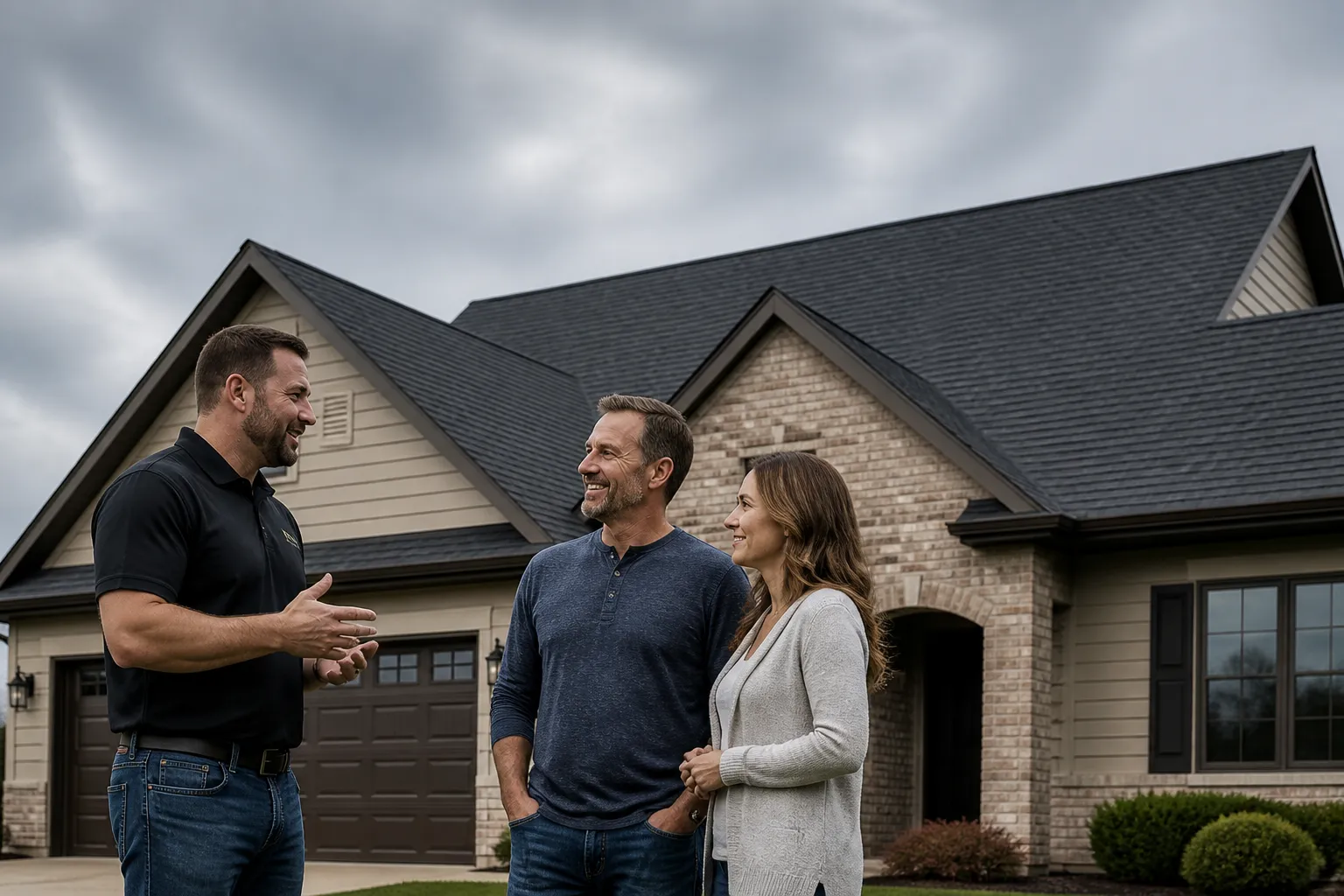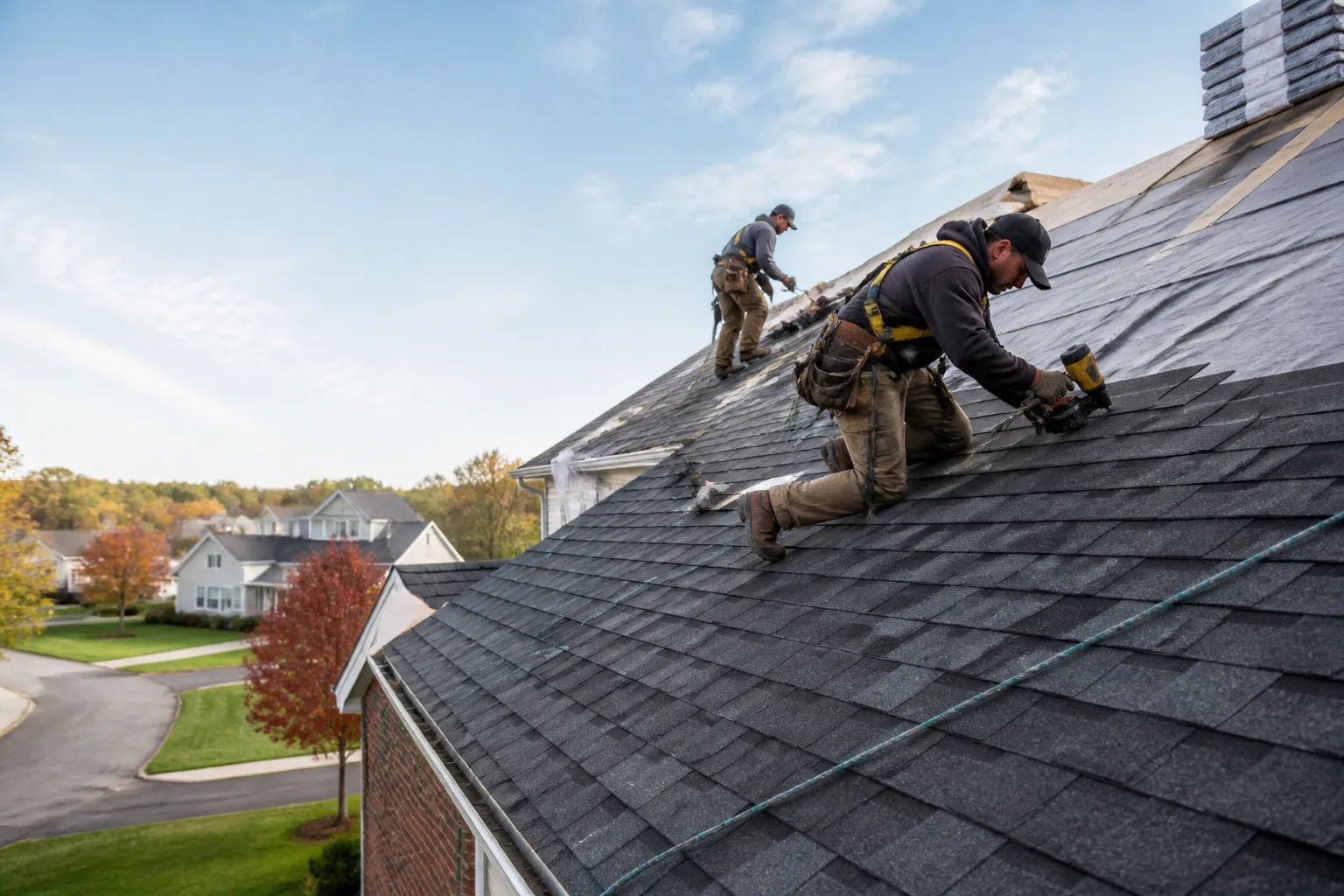
Normal Elite Roofing wrote this guide for local homeowners. Choosing a roofing contractor is about more than finding a name after a leak or storm. The roofer will work on one of your home’s main defenses against water, wind, and weather. Taking time to compare communication, documentation, scope, and professionalism can help you make a more confident choice and reduce surprises once work begins.
Start with clear communication
A helpful contractor listens to the problem, asks useful questions, and explains what an inspection found in plain language. You should understand whether the concern appears isolated, whether a repair is reasonable, and what conditions might make a replacement more practical. Be cautious if someone immediately recommends the largest possible project without explaining the roof condition or answering questions about alternatives.
Ask for photos or a clear description of significant findings. A contractor should be able to explain the difference between general wear, a repairable problem, and storm-related damage. Communication also matters after the estimate. Notice whether calls are returned, appointment details are clear, and your questions receive direct answers.
Compare written scopes, not just prices
A useful roofing proposal identifies the materials, removal process, underlayment, flashing, ventilation details, cleanup, and disposal. It should state how damaged decking or other concealed conditions will be handled if they are found during the work. Ask whether permit fees are included when required and who will confirm local requirements for the address.
Two estimates can have very different totals because they cover different work. A low number may omit key roof-system details, while a higher number should still explain why its scope is needed. Compare material names, quantities, roof edge details, ventilation work, property protection, payment schedule, and cleanup. This makes the decision more meaningful than comparing only the final line.
Ask practical project questions
Ask who will be your point of contact, how the crew will protect landscaping and driveways, where materials and disposal equipment will be placed, and how weather delays will be handled. Confirm the expected work schedule and how changes will be communicated. If a project involves a skylight, chimney, gutters, siding, or other adjacent work, make sure responsibility for those details is clear.
For suspected storm damage, a roofer can inspect and document visible conditions, but an insurer determines coverage under the policy. Avoid anyone who promises claim approval, offers to waive your deductible, or pushes you to sign paperwork you do not understand. Review your policy and keep records of inspections, estimates, and claim communication.
Verify details that matter to you
Ask the contractor for the information you need to make an informed choice, including business contact details, documentation, and any required local credentials. Confirm current permit guidance with the appropriate local authority if your project may require one. If a homeowners association applies to your property, review its exterior approval process separately.
Do not feel pressured to sign on the spot. A roof is a significant investment, and a reasonable contractor will give you space to review the scope, ask questions, and compare options. Normal Elite Roofing helps homeowners around Normal and Bloomington understand roof conditions and proposed work with clear, practical communication. The right contractor should help you see the path forward, not make the decision harder.
Red flags to watch for
- Pressure to sign today: A good roofer gives you time to compare quotes and read the contract.
- Large cash deposits up front: Ask how deposits are handled and what they cover before you pay anything.
- Vague scopes: If the quote does not say what is being removed, installed, and cleaned up, ask for details in writing.
- No local address or phone number: After big storms, out-of-area crews sometimes knock on doors. Make sure you can reach the company after the job is done.
- Offers to cover your deductible: Ask your insurer before agreeing to anything like this, since rules on insurance claims can be strict.
What a good written estimate includes
A clear estimate should list the roofing material and brand, the underlayment, flashing and vents, tear-off and disposal, and any wood decking repairs priced per sheet. It should also state who pulls the permit, the expected start date, and how cleanup is handled. Comparing estimates line by line is much easier than comparing totals alone.
Warranties explained
Roofs usually come with two kinds of warranty. The manufacturer warranty covers the materials. The workmanship warranty covers how the roof was installed. Angi notes contractor warranties often run $500 to $2,000 if they are not already included. Ask how long each warranty lasts, what voids it, and whether it can transfer if you sell the home.
After you choose a roofer
Get the final agreement in writing, keep copies of permits and warranties, and take photos of the roof before and after the job. These records help with resale and with any future insurance claim.