Normal Elite Roofing wrote this guide for local homeowners. Metal and asphalt shingle roofs can both perform well in Central Illinois when they are properly selected and installed. The right material is not determined by winter alone. Roof shape, budget, desired appearance, attic conditions, access, maintenance expectations, and long-term property plans all matter. The most useful comparison looks at the entire roof system, not just the visible surface.
How asphalt shingles fit cold climates
Asphalt shingles remain a common choice because they are available in many colors and styles and work on a wide range of home designs. They can be a practical option for roofs with dormers, valleys, and other detailed areas. If localized damage occurs, a repair may be possible when compatible material is available, although weathered shingles can be difficult to match exactly.
Shingle performance depends on what is beneath and around the shingles. Sound decking, appropriate underlayment, flashing, edge details, ventilation, and careful installation all help manage water. In cold weather, shingles can become more brittle. This is one reason installers need to follow product requirements and use safe conditions and handling methods. A roof surface alone will not solve ice dams if attic heat loss is warming the roof deck unevenly.
How metal roofing differs
Metal roofing is available in several profiles, finishes, and panel systems. Standing-seam panels and other metal styles can shed water and snow efficiently when designed for the roof. However, metal is not one identical product. The panel type, metal thickness, coating, fastening method, flashing details, and allowances for expansion and contraction should be part of the discussion.
Snow shedding can be beneficial, but it can also create a hazard below roof edges. Snow guards may be appropriate above entry doors, walkways, decks, or equipment areas to help manage sliding snow. Metal roofing may sound different during rain depending on the roof assembly, insulation, and attic construction. Ask about the planned system rather than relying on general assumptions about the material.
Important questions for either option
Ask how the contractor will handle valleys, sidewalls, chimneys, skylights, pipe penetrations, eaves, and ventilation. These transitions are critical on every roof type. Confirm whether the existing roof will be removed, what condition the deck must be in, and how damaged decking discovered during the project will be addressed. Ask about cleanup, protection for landscaping and driveways, and the plan for weather changes during installation.
If your home has ice dams, attic frost, or uneven snow melt, discuss air sealing, insulation, humidity, and ventilation. Changing from shingles to metal, or from metal to shingles, does not automatically correct the indoor heat movement that caused the problem. A full diagnosis may involve roofing and energy-related work.
Cost and long-term planning
Initial cost is important, but compare it with repair options, maintenance needs, roof complexity, and your plans for the property. A simple roof may make either material straightforward, while a roof with many intersections can require considerable detail work regardless of material. Make sure the written estimate identifies the exact product and complete installation scope so you are comparing like with like.
Normal Elite Roofing can review your roof, attic conditions, and goals in the Normal and Bloomington area to help you compare shingle and metal options. A clear recommendation should explain the tradeoffs and help you choose a roof system suited to your home and Central Illinois weather.
Cost and lifespan side by side
Angi lists asphalt shingle roofs at $5,800 to $20,000 installed and metal roofs at $5,700 to $25,000. Lifespans differ more than price. Angi notes asphalt shingles typically last 15 to 30 years, while metal roofs can last 30 to 100 years. A longer-lasting roof can lower the cost per year even if the upfront price is higher.
Snow and ice behavior
Snow tends to slide off metal roofs more easily. That can reduce snow load, but it can also drop snow onto walkways and decks below. Snow guards can help control where it falls. Shingles hold snow longer, which can contribute to ice dams if the attic is not well insulated and vented.
Noise and comfort
Some people worry about rain noise on metal. Installed over solid decking with underlayment, metal roofs are often quieter than expected. Ask your roofer to explain the full roof system before you decide.
Resale and looks
Both can add curb appeal. Shingles fit most neighborhoods. Metal gives a more modern look. If you have an HOA, check its rules first.
Installation matters for both
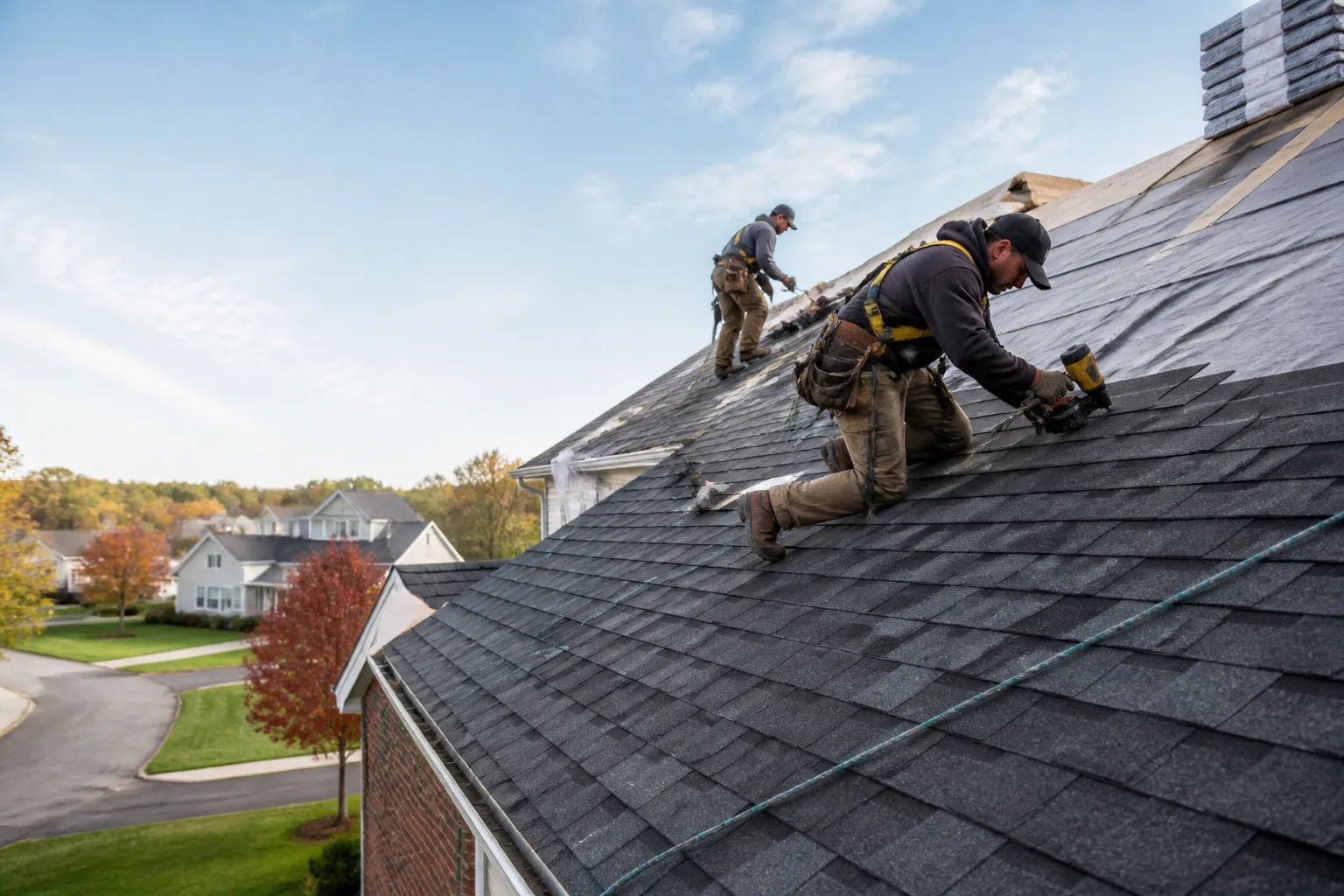
Either material can perform well or poorly depending on how it is installed. Proper underlayment, flashing, and ventilation matter as much as the roofing itself. Ask your roofer to explain each part of the system and what the warranty covers.